 From the beginning, mostly indicated by the chilled setting, the narrator has some reservations about his father and his indicated gruff manner. They seem to be strangers living in the same home, as the son describes, he was "speaking indifferently to him, who had driven out the cold," (Hayden, 782). But in the larger sense, the narrator is exploring the motivations of his father's morning ritual of warming the house before he wakes. Though he describes the furthered distance between them, in the end it is indicated that the narrator understands that his father's motivation is love.
Thursday, September 20, 2012
Those Winter Sundays
Those Winter Sundays - Robert Hayden
 From the beginning, mostly indicated by the chilled setting, the narrator has some reservations about his father and his indicated gruff manner. They seem to be strangers living in the same home, as the son describes, he was "speaking indifferently to him, who had driven out the cold," (Hayden, 782). But in the larger sense, the narrator is exploring the motivations of his father's morning ritual of warming the house before he wakes. Though he describes the furthered distance between them, in the end it is indicated that the narrator understands that his father's motivation is love.
Edward
Edward - Anonymous
 This poem could be considered a ballad because it reveals the story of a son murdering his father. The poem is presented in a series of conversations between mother and son and in the end son blaming his mother for telling him to murder his father telling her "The curse of hell from me shall ye bear, Such counsels you gave to me, O," (Anonymous, 978). The author uses repetition to focus the reader on the "Mother, Mother" and "Edward, Edward" which are set apart by the repeated phrases. Finally, Edward says that he will leave on a ship away from his family in order to escape his impeding fate as a murderer or possibly to escape his mother.
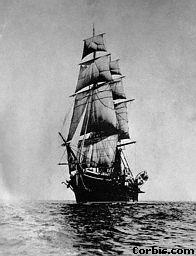 This poem could be considered a ballad because it reveals the story of a son murdering his father. The poem is presented in a series of conversations between mother and son and in the end son blaming his mother for telling him to murder his father telling her "The curse of hell from me shall ye bear, Such counsels you gave to me, O," (Anonymous, 978). The author uses repetition to focus the reader on the "Mother, Mother" and "Edward, Edward" which are set apart by the repeated phrases. Finally, Edward says that he will leave on a ship away from his family in order to escape his impeding fate as a murderer or possibly to escape his mother.
The Drunkard
The Drunkard - Frank O'Connor
 In this piece, we witness use of dialect to characterize setting and characters. While their speech is slightly undereducated, the narrator of the story still places his father in a position of intelligence and importance at the beginning of the story (later juxtaposed at the end) saying, "in his own limited way Father was a well-read man and could appreciate an intelligence talker," (O'Connor, 342). This shows an important loyalty that the narrator has to his father, a loyalty that is tested later in the story when he is called on to save his father from his own vices. While the title may represent the father, in the boy's eyes, the drunkard is still his father. And, in saving him (though almost accidentally) he begins to understand a little why his father acts the way he does as he loses total control of his mind and body.
 In this piece, we witness use of dialect to characterize setting and characters. While their speech is slightly undereducated, the narrator of the story still places his father in a position of intelligence and importance at the beginning of the story (later juxtaposed at the end) saying, "in his own limited way Father was a well-read man and could appreciate an intelligence talker," (O'Connor, 342). This shows an important loyalty that the narrator has to his father, a loyalty that is tested later in the story when he is called on to save his father from his own vices. While the title may represent the father, in the boy's eyes, the drunkard is still his father. And, in saving him (though almost accidentally) he begins to understand a little why his father acts the way he does as he loses total control of his mind and body.
Once Upon A Time...Ironic
Once Upon a Time - Nadine Gordimer
 Gordimer presents the reader with dramatic irony in the ending of the story with the little boy's death. His demise is ironically brought on by the parent's over precaution when trying to shield their boy from the outside world. The story reveals that the boy was pretending to be "the Prince who braves the terrible thicket of thorns to enter the palace and kiss the Sleeping Beauty back to life..." (Gordimer, 236). After his mother read him the fairy tales and sheltered him from the real world outside, the boy was unable to judge dangers for himself and ended up hurting himself by acting out a fairy tale in his supposedly ultra-safe habitation. Turns out that the fairy tale life that we can try to achieve cannot shield us from the dangers outside of our minds or the pages of a fairy tale.
 Gordimer presents the reader with dramatic irony in the ending of the story with the little boy's death. His demise is ironically brought on by the parent's over precaution when trying to shield their boy from the outside world. The story reveals that the boy was pretending to be "the Prince who braves the terrible thicket of thorns to enter the palace and kiss the Sleeping Beauty back to life..." (Gordimer, 236). After his mother read him the fairy tales and sheltered him from the real world outside, the boy was unable to judge dangers for himself and ended up hurting himself by acting out a fairy tale in his supposedly ultra-safe habitation. Turns out that the fairy tale life that we can try to achieve cannot shield us from the dangers outside of our minds or the pages of a fairy tale.
A Worn Path
A Worn Path - Eudora Welty
 How often do we wander through life in auto pilot, not really feeling or sensing what we are doing? Phoenix, the protagonist of the story, is described as "Moving slowly and from side to side, she went into the big building, and into a tower of steps, where she walked up and around and around until her feet knew when to stop," (Welty, 228). Phoenix is characterized as failing to correctly interpret her surroundings or purposes. For this reason, I believe that her grandson is no longer living, but she is keeping his memory alive in her mind through denial or fantasy. Her hallucinations prove that at least some part of the boy is lurking in her mind only. Her loyalty to his memory touches many people in the story, but few recognize its power. The hunter, the woman on the street, and the attendants in the hospital are not unkind to her, but do not feel that this old woman could have any kind of profound impact on their lives.
Thursday, September 13, 2012
A Raisin in the Sun - Who Are You?
A Raisin in the Sun - Lorraine Hansberry
Three Categories of Characters:
1) Make Things Happen:
Three Categories of Characters:
1) Make Things Happen:
- Ruth was in constant motion to make sure that she was doing the best she could for her family; she was the first one awake in the mornings and never stopped working throughout the play. She was the one who proactively kept the peace in the family and in turn kept them together.
- Mama also took positive action to do what was best for her family; she went out to buy the house for her family and worked to encourage her children to follow their dreams, to the extent that they became more idealistic than realistic and practical.
- Walter, through his selfish and bitter actions, watched his family fall apart trying to accommodate him and his dreams. He skipped work and drank his money away while his wife struggled to feel it was appropriate to keep their unborn child. He expected Mama's money as he accused Benethea of it. While he is given credit at the end of the play for telling Mr. Lindner that they will move into the house, it is really his family's support speaking.
- Benethea seems distant throughout the play as revealed through her spouting spells of injustices and African ideals. She is so wrapped in her own mind and fantasies that she becomes oblivious to the sacrifices that others are making around her because she views them as assimilating because they are not as vocal or radical as she is.
A Raisin in the Sun - Trapped
A Raisin in the Sun - Lorraine Hansberry
 Every character in Raisin is trapped or held back by something. I think that Walter is trapped by his own mind more so rather than the society he claims in oppressing him. Throughout the play, Walter is "more talk than walk." His attitude does not move him in a positive direction but rather emits a bitter reluctance to move forward in a world he thinks is dominated by the Anglo-Saxon way of thinking. He wants wealth and success handed to him because he feels entitled to it. "He made an investment!" Benethea says, "With a man even Travis wouldn't have trusted with his most worn-out marbles," (Hansberry, 520). Walter feels so suffocated by his job and home that he skips work, goes out and gets drunk night after night, makes bad deals with money that isn't his, and mistreats his family. He takes a selfish road to achieve what he thinks is rightly his. Here is where he is wrong and can take some lessons from his mother and wife: No one is born entitled to anything.
Subscribe to:
Posts (Atom)